
"Organic Gardening 101: A Beginner’s Guide to Organic Gardening: The Practical Way to Grow Healthy, Sustainable Plants"
Organic gardening is more than just a trend—it’s a sustainable way to grow fresh, healthy produce while nurturing the environment. Whether you’re a complete beginner or have some gardening experience, this guide will walk you through the practical steps to start and maintain a thriving organic garden. By the end, you’ll have the knowledge to grow your own fruits, vegetables, and herbs without relying on synthetic chemicals.
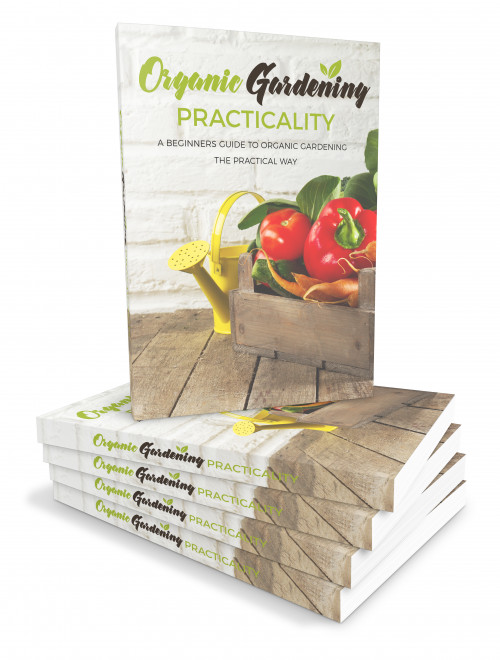
BUY NOW - ORGANIC GARDENING
Why Choose Organic Gardening?
Organic gardening focuses on working with nature rather than against it. Here are some key benefits:
1. Healthier Produce: Organic gardens yield fruits and vegetables free from harmful pesticides and chemicals.
2. Eco-Friendly: By avoiding synthetic fertilizers and pesticides, you protect soil health, water quality, and beneficial insects.
3. Cost-Effective: Growing your own food can save money in the long run.
4. Sustainability: Organic practices promote biodiversity and long-term soil fertility.
Step-by-Step Guide to Starting Your Organic Garden
1. Choose the Right Location
- Sunlight: Most plants need at least 6-8 hours of sunlight daily.
- Soil Quality: Look for well-draining soil rich in organic matter.
- Accessibility: Ensure your garden is easy to access for watering, weeding, and harvesting.
2. Prepare the Soil
Healthy soil is the foundation of organic gardening.
- Test Your Soil: Use a soil test kit to check pH and nutrient levels. Most plants thrive in a pH range of 6.0-7.0.
- Add Organic Matter: Incorporate compost, aged manure, or leaf mold to improve soil structure and fertility.
- Avoid Synthetic Fertilizers: Use natural alternatives like bone meal, fish emulsion, or seaweed extract.

BUY NOW - ORGANIC GARDENING
3. Choose the Right Plants
- Start Small: Begin with easy-to-grow plants like tomatoes, lettuce, herbs, and zucchini.
- Select Native Plants: Native species are adapted to your climate and require less maintenance.
- Consider Companion Planting: Pair plants that benefit each other, like tomatoes and basil or carrots and onions.
4. Plant Your Garden
- Follow Spacing Guidelines: Overcrowding can lead to poor air circulation and disease.
- Plant at the Right Depth: Follow seed packet instructions for proper planting depth.
- Water Thoroughly: Water deeply after planting to help roots establish.
5. Practice Organic Pest Control
- Encourage Beneficial Insects: Ladybugs, lacewings, and bees help control pests and pollinate plants.
- Use Natural Remedies: Neem oil, diatomaceous earth, and insecticidal soap are effective against pests.
- Handpick Pests: Remove larger pests like caterpillars by hand.
6. Mulch and Weed Regularly
- Mulch: Apply organic mulch (straw, wood chips, or grass clippings) to retain moisture, suppress weeds, and regulate soil temperature.
- Weed: Remove weeds regularly to prevent competition for nutrients.
7. Water Wisely
- Water Deeply and Infrequently: This encourages deep root growth.
- Use Drip Irrigation: This method delivers water directly to the roots, reducing waste.
- Water in the Morning: This minimizes evaporation and prevents fungal diseases.
8. Harvest and Enjoy
- Harvesting at Peak Ripeness ensures the best flavor and nutritional value.
- Store Properly: Keep harvested produce in a cool, dry place or preserve it through canning, freezing, or drying.

BUY NOW - ORGANIC GARDENING
Tips for Long-Term Success
1. Rotate Crops: Prevent soil depletion and pest buildup by rotating crops each season.
2. Compost: Turn kitchen scraps and garden waste into nutrient-rich compost.
3. Stay Observant: Regularly check your plants for signs of pests, disease, or nutrient deficiencies.
4. Keep Learning: Gardening is a continuous learning process. Join local gardening groups or online forums for support and advice.

BUY NOW - ORGANIC GARDENING
Common Mistakes to Avoid
- Overwatering: Too much water can drown roots and lead to fungal diseases.
- Ignoring Soil Health: Healthy soil equals healthy plants. Don’t skip soil testing and amendments.
- Using Non-Organic Seeds: Start with organic, non-GMO seeds for the best results.
- Neglecting Pest Control: Address pest issues early to prevent infestations.
Conclusion
Organic gardening is a rewarding and sustainable way to grow your own food. By following these practical steps, you’ll create a thriving garden that benefits both your health and the environment. Remember, gardening is a journey—be patient, stay curious, and enjoy the process.
Start your organic garden today and reap the benefits of fresh, homegrown produce!
We may earn a small commission if you purchase a product or service after clicking on those links. This comes at no additional cost to you and helps support the maintenance and growth of our site.



No comments:
Post a Comment